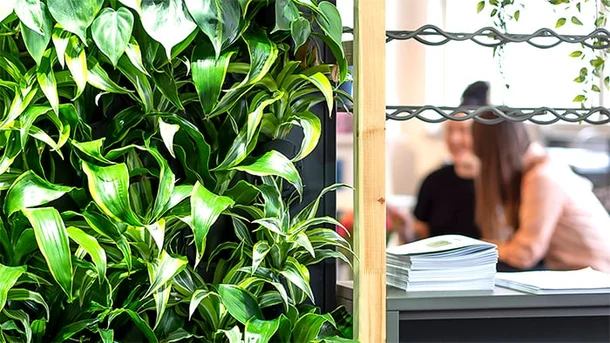
Artificial vs Living Green Walls in Malaysia: Pros, Cons & Cost Comparison
Urban landscapes in Malaysia are increasingly embracing greenery as a way to enhance aesthetics, improve air quality, and boost wellbeing — even within concrete-dominated environments. Two prominent solutions for vertical greenery are artificial green walls and living green walls. Both offer distinct benefits, downsides, and cost implications. In this article, we explore the differences between these two systems and guide readers on which option could best suit their needs in the Malaysian context.
What Are Green Walls?
Green walls, also known as vertical gardens, are plant-covered structures attached to interior or exterior walls. They bring nature closer in urban spaces where ground area is limited.
- Artificial green walls use synthetic plants made of plastic, silk or other materials that mimic real foliage.
- Living green walls consist of real plants rooted in a support system with irrigation and soil or substrate.
Why Green Walls Matter in Malaysia
Malaysia’s rapid urbanisation and tropical climate make vertical greenery particularly attractive. Benefits include:
- Improved air quality: Plants can absorb pollutants and particulates.
- Temperature moderation: Green walls can reduce heat absorption on façades.
- Aesthetic enhancement: They transform plain walls into vibrant focal points.
- Wellbeing: Exposure to greenery can reduce stress and improve mood.
However, choosing between artificial and living systems requires careful consideration — especially when factoring in costs, maintenance, durability, and environmental impact.
Artificial Green Walls: Pros and Cons
Pros
1. Low Maintenance
Artificial green walls require minimal upkeep. There’s no watering, trimming or fertilising, which makes them attractive for busy urban spaces and commercial buildings without dedicated gardening staff.
2. Weather Resistance
High-quality synthetic foliage won’t wilt under intense Malaysian heat, heavy rain or humidity. They retain their lush appearance year-round with little intervention.
3. Immediate Visual Impact
Once installed, artificial walls look perfect instantly. There’s no waiting period for plants to grow, which is ideal for interior spaces or events.
4. Pest-Free
With no living components, artificial walls won’t attract insects or pests — a significant advantage in enclosed environments like offices or shopping malls.
Cons
1. Lack of Environmental Benefits
Artificial foliage does not contribute to air purification, oxygen production or biodiversity. They are purely decorative.
2. Potential Fading and Wear
Over time, exposure to strong UV radiation and pollution can cause colours to fade and materials to degrade. Lower-quality products may look artificial quickly.
3. Environmental Concerns
While reusable, artificial materials are often non-biodegradable. Unless recycled, they contribute to plastic waste.
Living Green Walls: Pros and Cons
Pros
1. Genuine Environmental Impact
Living green walls improve air quality by filtering pollutants and generating oxygen. In Malaysia’s tropical climate, lush growth is encouraged, making them beneficial for urban cooling.
2. Natural Aesthetics and Wellbeing
There’s something inherently soothing about real plants. Studies show that biophilic design — incorporating natural elements — can improve mood, productivity and overall wellbeing.
3. Enhanced Biodiversity
Living walls can provide habitats for pollinators and beneficial insects, supporting urban ecology.
Cons
1. Higher Maintenance Requirements
Living systems need consistent care: watering, fertilising, pruning, pest management and occasional plant replacement. In Malaysia’s humid conditions, fungal issues can be a challenge if poorly managed.
2. Upfront Complexity
Designing a living green wall requires planning for irrigation, drainage and structural support. Installation can be significantly more involved than its artificial counterpart.
3. Potential for Damage
If irrigation or drainage systems fail, water seepage can damage building fabric. Proper installation and routine checks are essential.
Cost Comparison: Artificial vs Living Green Walls
Understanding costs in the Malaysian context is crucial for decision-making. Prices fluctuate based on material quality, wall size, design complexity and labour, but typical ranges are as follows:
Artificial Green Walls
| Cost Component | Estimated Range (MYR) |
|---|---|
| Materials (per sq ft) | RM 50 – RM 150 |
| Installation | RM 30 – RM 100 per sq ft |
| Maintenance | Minimal; occasional cleaning |
Approximate Total: RM 80 – RM 250 per sq ft
Artificial walls generally have lower upfront costs and negligible ongoing expenses, making them cost-effective for decorative purposes.
Living Green Walls
| Cost Component | Estimated Range (MYR) |
|---|---|
| Plants & Media | RM 80 – RM 200 per sq ft |
| Irrigation & Structure | RM 50 – RM 150 per sq ft |
| Installation | RM 50 – RM 150 per sq ft |
| Maintenance | RM 10 – RM 30 per sq ft monthly |
Approximate Total:
- Initial installation: RM 180 – RM 500 per sq ft
- Ongoing maintenance: RM 10 – RM 30 per sq ft per month
Living walls usually require higher upfront investment and continuing maintenance costs, especially if automated irrigation and professional horticultural services are used.
Which One Should You Choose in Malaysia?
Choosing between artificial and living green walls ultimately depends on your goals:
- Decorative focus with low upkeep: Artificial green walls are ideal for interior spaces, retail fronts and office lobbies that prioritise aesthetics without the burden of care.
- Environmental and wellbeing benefits: Living green walls are worth the investment in outdoor façades, residential gardens, schools and health-focused workspaces — especially where air quality and ecological impact matter.
Hybrid Approach
Some Malaysian projects use a hybrid solution, combining artificial greenery with select live plants to balance visual appeal and environmental benefits, while reducing maintenance intensity.
Conclusion
Both artificial and living green walls bring unique advantages to Malaysian spaces. Artificial walls win on convenience and cost-effectiveness, while living walls offer genuine environmental and wellbeing benefits. Careful consideration of budget, maintenance capacity and design goals will ensure you choose the best option for your project.
Whether your priority is lush greenery that cares for the environment or hassle-free decoration, Malaysia’s tropical climate and growing interest in sustainable design make green walls an increasingly relevant choice for modern interiors and façades alike.