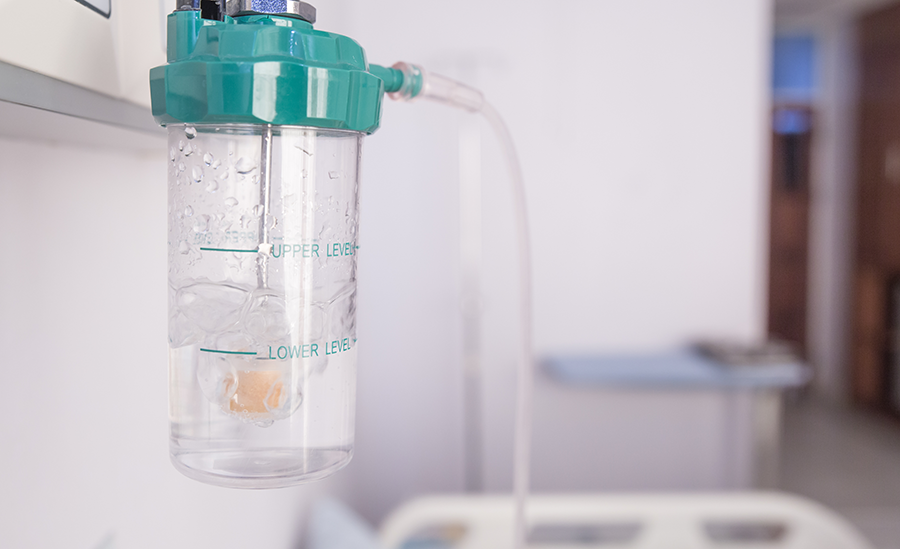
Lab Water Purification System Malaysia for Universities, Hospitals & R&D Centres
In Malaysia’s rapidly advancing educational, medical, and scientific sectors, the demand for high‑quality laboratory water has never been greater. Whether in universities conducting cutting‑edge research, hospitals performing critical diagnostics, or research & development (R&D) centres innovating new technologies, the integrity of experimental results and patient outcomes depends on the purity of laboratory water. A reliable Lab Water Purification System is therefore indispensable.
Why High‑Purity Water Matters
Laboratory water is not the same as drinking water. It must meet stringent purity standards to ensure accuracy, reproducibility, and safety in various applications. Impurities such as ions, organic compounds, particulates, bacteria, and endotoxins can interfere with:
- Analytical assays
- Cell culture and microbiology
- Tissue engineering
- Clinical diagnostics
- Chemical synthesis and chromatography
In universities, contaminated water can invalidate years of research. In hospitals, it can compromise patient diagnostics. In R&D centres, it can lead to costly delays and unreliable results.
Types of Laboratory Water and Purification Standards
Lab water quality is classified into types based on purity levels:
- Type I (Ultrapure Water)
Used for the most demanding applications such as high‑performance liquid chromatography (HPLC), molecular biology, and proteomics. - Type II (General Laboratory Water)
Suitable for routine tasks like buffer preparation, reagent dilution, and general cleaning. - Type III (Purified Water)
Adequate for glassware washing and basic lab procedures.
Each application area in universities, hospitals, and R&D centres demands different grades, making it essential to choose a system capable of producing the appropriate type of water on demand.
Key Components of Lab Water Purification Systems
A modern lab water purification system integrates multiple purification technologies to remove specific contaminants:
1. Pre‑Filtration
Removes large particulates and chlorine to protect downstream components. Essential for prolonging membrane life.
2. Reverse Osmosis (RO)
An effective membrane process that reduces dissolved inorganic solids and large organic molecules.
3. Deionization (DI) / Ion Exchange
Further reduces ion‑based impurities to achieve high resistivity levels — a critical parameter in ultrapure water.
4. Ultraviolet (UV) Oxidation
UV lamps break down organic compounds and help eliminate bacteria and endotoxins.
5. Ultrafiltration
Used to remove colloidal particles, viruses, and pyrogens, especially in systems producing Type I water.
6. Final Polishing
Often achieved using mixed bed resin or EDI (electrodeionization) to deliver ultrapure water with stable conductivity and TOC (Total Organic Carbon) control.
Benefits of Investing in a Quality System
1. Enhanced Research Integrity
Accurate and reproducible data begins with pure water. For university labs and R&D facilities, this is non‑negotiable.
2. Improved Patient Care
In hospital settings, lab water is used for diagnostic instruments such as blood analyzers and automated immunoassays. Impure water leads to false results and misdiagnosis.
3. Cost Efficiency
On‑site purification is more economical than purchasing packaged ultrapure water. Maintenance programs also help extend system lifespan and reduce downtime.
4. Compliance with Standards
High‑quality systems help facilities comply with local and international standards such as ISO, ASTM, and CLSI guidelines.
Applications in Malaysian Universities
Malaysia’s universities are hubs of scientific inquiry. From biotechnology to environmental science and material engineering, pure water is central to:
- PCR and genomics research
- Cell culture labs
- Analytical chemistry
- Environmental testing
With increasing research grants and global collaborations, Malaysian institutions are prioritising lab infrastructure that supports world‑class outcomes. An advanced water purification system can make the difference between publishable data and failed experiments.
Role in Malaysian Hospitals
Hospitals across Malaysia rely heavily on purified water for:
- Diagnostic laboratories
- Sterilization and instrument washing
- Dialysis centres (pre‑treatment water)
- Microbiology labs
Hospitals require systems that not only produce consistent water quality but also integrate seamlessly with laboratory workflows. Regular validation and maintenance ensure patient safety and diagnostic reliability.
Supporting R&D Centres and Industry Innovation
Malaysia’s thriving industrial landscape includes pharmaceutical, biotech, and chemical R&D centres. These facilities demand:
- Consistent high‑purity water for synthesis
- TOC‑free water for sensitive instrumentation
- Reliable supply for continuous processes
A robust water purification infrastructure enhances the competitiveness of Malaysian R&D on the global stage.
Choosing the Right System in Malaysia
When selecting a lab water purification system, Malaysian institutions should consider:
1. Water Source Quality
Municipal water quality varies by region. Systems must be tailored to handle local feed water conditions.
2. Throughput and Capacity
Assess daily water consumption and peak usage times. Larger labs might need systems with higher output.
3. Footprint and Installation
Space constraints in existing facilities require compact yet scalable solutions.
4. Service and Support
Reliable after‑sales service, local technical support, and availability of consumables are critical in Malaysia.
5. Certification and Compliance
Ensure products meet recognised standards and come with quality assurances.
Maintenance and Lifecycle Support
A purified water system is only as good as its maintenance. Regular services include:
- Filter and membrane replacements
- Calibration of sensors
- Sanitization cycles
- Performance validation reports
Local Malaysian service providers often offer preventive maintenance contracts that ensure optimal performance with minimal disruption.
Conclusion
For universities, hospitals, and R&D centres in Malaysia, a lab water purification system is not just a piece of equipment — it’s a foundation of scientific integrity, clinical accuracy, and innovation. By investing in the right technology, institutions will enhance reliability, improve outcomes, and future‑proof their laboratories for the demands of modern science.