Top Industries in Malaysia Benefiting from Advanced Mobile Computers
Mobile computing has emerged as a valuable asset for many organizations seeking to maximize efficiency, accuracy, and productivity within a rapidly changing business environment. Mobile computing technology is being used throughout Malaysia, particularly in a variety of industries, and is having a positive impact on the way businesses traditionally function.
1. Logistics & Warehousing
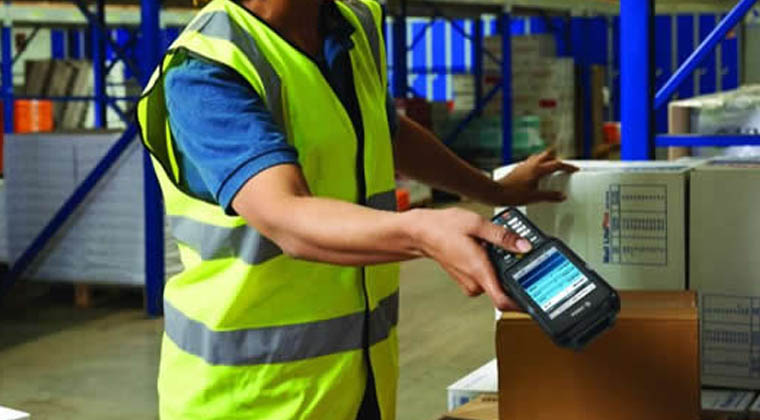
Logistics and Warehouse companies in Malaysia have seen an explosion in the number of companies looking for ways to streamline their logistics and warehousing activities. The reason for this is primarily due to the growing popularity of e-commerce and the increasing amount of global trade occurring in Malaysia. Companies involved in the logistics and warehousing industry are using mobile computing technology to reduce errors and speed up processes. Rugged handheld mobile computers enable warehouse personnel to quickly and accurately identify and count products, track inventory in real time, and update inventory levels. Rugged vehicle mounted mobile computers enable drivers to view delivery information, update shipment status, and quickly find their route to make deliveries.
Companies in the logistics and warehousing industry are able to significantly improve their order fulfillment rates, lower delivery times, and increase their level of customer satisfaction by implementing mobile computing solutions. Many logistics and warehousing companies in Malaysia are beginning to adopt more advanced technologies such as voice directed picking and automated inventory checking. These technologies will continue to be developed and implemented throughout Malaysia’s modernized warehouses.
2. Retail & E-Commerce
Ecommerce is on the rise, and retailers in Malaysia are utilizing mobile computing to meet the increasing expectations of their tech savvy customers. Barcode scanning, touch screen input capabilities, and connectivity options are available on mobile computers, enabling retail employees to quickly and easily manage inventory, ring sales, and provide customers with real-time product information.
Smart wrist-mounted scanners and other wearable mobile computing devices enable employees to remain hands-free while accessing real-time data. Large retail settings, such as supermarkets and department stores, are utilizing mobile computing to minimize the amount of time it takes for customers to check-out, improve their ability to keep accurate inventory counts, and dynamically adjust prices. Mobile computing devices also ensure that ecommerce fulfillment centers are able to pick, pack, and ship ecommerce orders error-free, thus enabling Malaysia’s rapidly developing ecommerce marketplace.
3. Field Service
Field service companies, including utilities, telecommunication and maintenance services, utilize mobile computing to optimize their on-site operations. In Malaysia, companies are utilizing rugged handheld and tablet mobile computing devices to create, update and access work orders, view the history of previous work performed on a piece of equipment, and capture real-time data while on site.
Mobile computing devices enable field technicians to immediately notify the back office when they complete a task, ask for assistance if needed, and communicate quickly with all teams in the back office. This eliminates paper work, increases the rate at which customers receive service, and provides increased visibility into company assets and resources. Predictive maintenance is another capability enabled by advanced mobile computing technology, in which devices collect data to predict equipment failure, thereby minimizing down time and associated operational costs.
4. Manufacturing
Manufacturers in Malaysia are benefiting from mobile computing technology by enhancing their ability to monitor production, conduct quality control, and track inventory. Mobile computing technology enables production line operators and supervisors to track production line activity, scan parts and materials, and document defects in real-time.
Integration with Enterprise Resource Planning (ERP) systems enable manufacturers to synchronize their operations across all departments and ensure that production schedules, material requirements, and inventory levels are always current. Mobile computing technology also enables manufacturers to comply with safety and quality regulations and standards, as workers are able to document safety checks and inspection directly on their device.
5. Health Care
Healthcare providers in Malaysia are increasingly adopting mobile computing to enhance the delivery of care to patients and improve operational efficiencies. Medical professionals are able to access patient records, update treatment plans, and administer medications with greater accuracy using mobile computing technology.
Medical professionals are able to quickly and easily access and enter patient information, track inventory levels of medical supplies, and schedule appointments with handheld mobile computers and tablets in hospitals and clinics. Mobile computing technology improves communication between hospital departments, minimizes administrative errors, and enables healthcare professionals to quickly respond to emergency situations. Wearable mobile computing technology can also assist in the monitoring of patients’ vital signs in real-time, improving the health outcomes of patients.
6. Hospitality & Tourism
Hospitality and Tourism companies in Malaysia are also utilizing mobile computing technology to improve the experience of their guests. Hotels and Resorts are utilizing mobile computing to manage reservations, check-in and check-out guests, and personalize their services to guests. Mobile computing technology enables hotel staff to efficiently plan and execute their housekeeping, maintenance and food and beverage services.
Handheld and wearable mobile computing devices enable Tour Operators and Travel Agencies to book tours and track tour groups, and provide seamless communication among team members. By utilizing mobile computing technology, hospitality providers can enhance the quality of service provided to their guests, increase the efficiency of their operations, and meet the expectations of modern travelers who expect quick service and flexibility.
Conclusion
Advanced mobile computing technology is revolutionizing the way Malaysian industries operate and produce results. Industries are experiencing enhanced productivity, reduced errors, and higher customer satisfaction by utilizing mobile computing technology. Logistically challenging industries such as logistics and warehousing, retail and e-commerce, field services, manufacturing, healthcare and hospitality are all utilizing mobile computing technology to achieve a competitive advantage in today’s fast paced business environment.
As technology continues to advance, we can expect mobile computing technology to become even more prevalent in Malaysia and support intelligent, data-driven decision making in Malaysia’s businesses. Investing in advanced mobile computing solutions is no longer an option for businesses wishing to compete in today’s digital economy; it is now a necessary strategy. With the correct mobile computing devices, training, and integration, Malaysian businesses can realize unprecendented productivity gains and deliver better results for their employees, partners and customers.