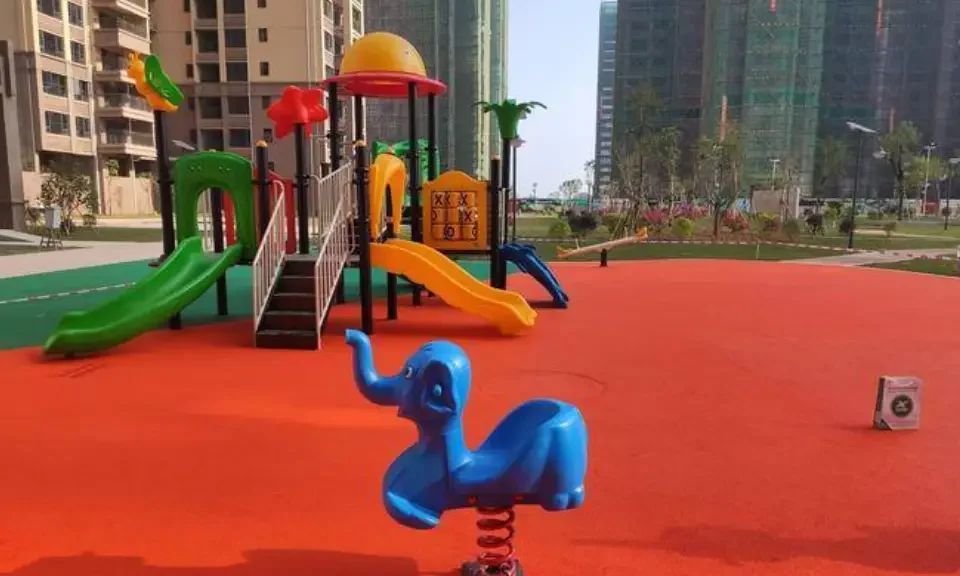
Sustainable Surfacing: Are EPDM Rubber Granules Eco-Friendly?
In the world of construction, landscaping, and playground design, sustainability has become more than a buzzword — it’s a necessity. As architects, developers, and consumers strive to create eco-conscious environments, the materials used in surface installations are under increasing scrutiny. One such material gaining popularity is EPDM rubber granules. But are they truly eco-friendly?
What Are EPDM Rubber Granules?
EPDM stands for Ethylene Propylene Diene Monomer, a type of synthetic rubber known for its durability, weather resistance, and flexibility. EPDM rubber granules are small, colorful particles made from either virgin EPDM or recycled EPDM rubber, commonly used in:
- Playground safety surfaces
- Running tracks and sports fields
- Walkways and garden paths
- Roofing and waterproofing membranes
These granules are usually bound together with polyurethane binders to form a soft, resilient, and non-slip surface.
The Sustainability Debate
When evaluating whether EPDM rubber granules are eco-friendly, it’s essential to consider several key factors, including raw material sourcing, energy consumption, recyclability, and health impacts.
1. Raw Material Source
EPDM rubber is a synthetic material derived primarily from petrochemicals. This raises initial concerns, as petroleum-based products are not renewable and contribute to greenhouse gas emissions. However, some manufacturers are now incorporating recycled rubber content or using bio-based feedstocks in EPDM production to offset the environmental impact.
While virgin EPDM isn’t as sustainable as natural rubber alternatives, its long lifespan and low maintenance requirements can help balance out its environmental footprint over time.
2. Durability and Longevity
One of the most significant advantages of EPDM rubber is its exceptional durability. It resists UV radiation, ozone, extreme temperatures, and weathering, allowing it to last 10–20 years or longer depending on use. This reduces the need for frequent replacements, thereby conserving resources and minimizing waste.
From a sustainability standpoint, materials that offer long service life with minimal maintenance are highly desirable. EPDM scores well in this regard, especially when compared to less durable alternatives like wood chips or poured concrete.
3. Recyclability
Another key consideration is end-of-life disposal. EPDM rubber granules can be recycled into new rubber products or used as infill in various applications. Some recycling processes allow for reprocessing of old EPDM surfaces into new granules, reducing landfill waste.
However, the extent of recyclability depends on the binder system used. Surfaces bound with polyurethane can be more challenging to recycle due to the irreversible chemical bonding. Manufacturers are exploring eco-friendly binders to overcome this challenge, which may improve recyclability in the near future.
4. Low VOC Emissions
Unlike many synthetic materials, high-quality EPDM rubber granules are known for their low volatile organic compound (VOC) emissions. This makes them safer for indoor applications and beneficial for air quality, particularly in children’s play areas and schools.
Low VOC emissions also make EPDM compliant with green building standards like LEED (Leadership in Energy and Environmental Design), contributing positively to certification scores.
5. Safety and Comfort
EPDM rubber surfaces provide a soft, impact-absorbing cushion, reducing injuries from falls — a crucial feature for playgrounds and sports facilities. Their non-toxic, non-slip, and hypoallergenic properties add to the environmental and health benefits.
Moreover, EPDM doesn’t leach harmful chemicals into the soil or groundwater, making it safe for outdoor use, even around gardens and water features.
Innovations in Eco-Friendly EPDM
The industry is rapidly innovating to make EPDM more sustainable. Some notable trends include:
- Use of bio-based EPDM: Researchers are developing EPDM derived from plant-based feedstocks rather than crude oil. This can significantly lower the carbon footprint.
- Recycled EPDM: Manufacturers are using post-industrial or post-consumer EPDM waste to produce granules, closing the loop in the production cycle.
- Green binders: New binding agents made from natural or water-based ingredients are reducing reliance on chemical adhesives.
- Energy-efficient manufacturing: Facilities are optimizing processes to reduce energy and water consumption during EPDM production.
These innovations are helping position EPDM as a viable eco-friendly surfacing option in the long term.
EPDM vs. Other Surfacing Materials
When compared to other surfacing options, EPDM holds its own:
| Material | Durability | Recyclability | Safety | Eco-friendliness |
|---|---|---|---|---|
| EPDM Rubber | High | Moderate to High | Excellent | Moderate to High |
| Natural Rubber | Moderate | High | Good | High |
| Concrete | Very High | Low | Poor | Low |
| Wood Chips | Low | High | Moderate | High (short term) |
| Artificial Turf | Moderate | Low | Good | Low |
While natural rubber may be more sustainable in terms of raw materials, it often lacks the durability and UV resistance of EPDM. Concrete and artificial turf, on the other hand, score poorly on sustainability due to high emissions and low recyclability.
Conclusion: Is EPDM Eco-Friendly?
EPDM rubber granules are not inherently eco-friendly due to their synthetic origin, but they offer several green advantages that make them a sustainable choice when used correctly:
- Long lifespan reduces resource consumption
- Low maintenance needs save energy and water
- Minimal VOC emissions improve air quality
- Innovations in recycling and bio-based materials enhance sustainability
To maximize environmental benefits, it’s important to source high-quality EPDM from responsible manufacturers and consider recycling options at the end of the product’s life.
In summary, EPDM may not be perfect, but with evolving technology and responsible application, it can play a key role in sustainable surfacing solutions for modern, eco-conscious spaces.