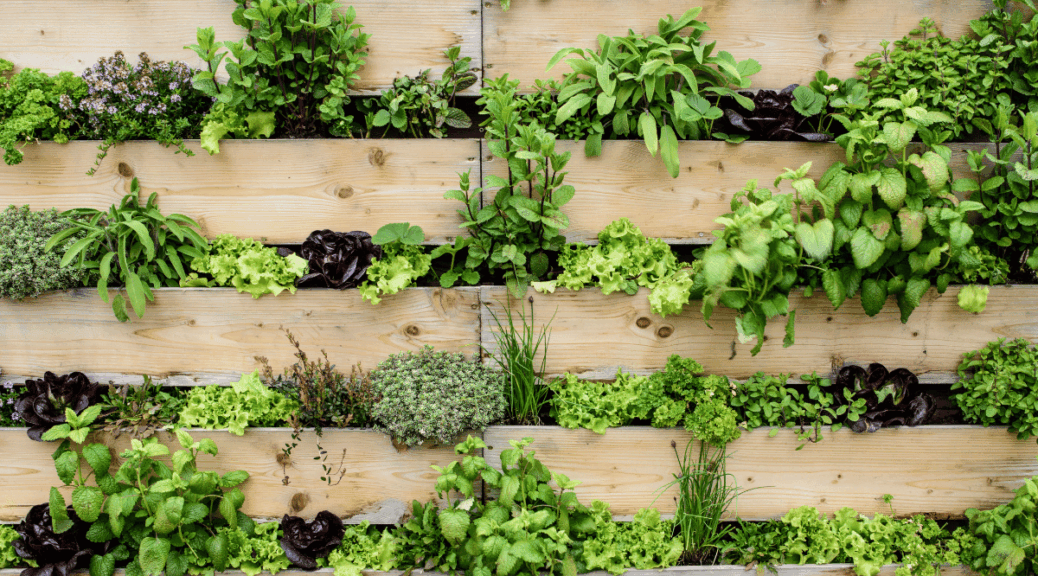
Vertical Garden Malaysia: A Smart Landscaping Solution for Limited Spaces
In rapidly urbanising cities like Kuala Lumpur, Petaling Jaya and Johor Bahru, space comes at a premium. Many residential properties, condominiums and commercial offices struggle with limited outdoor areas, leaving little room for traditional landscaping. Enter the vertical garden — a smart, stylish and sustainable landscaping solution that is rapidly gaining traction throughout Malaysia.
A vertical garden, also known as a living wall or green wall, transforms ordinary walls into lush, thriving plant displays. Instead of spreading outwards like a conventional garden, plants grow upwards, maximising limited space without sacrificing greenery. For Malaysians seeking to inject nature into compact balconies, patios or even indoor corridors, vertical gardens offer a practical and visually appealing answer.
Why Vertical Gardens are Ideal in Malaysia
Malaysia’s tropical climate — characterised by ample sunlight, frequent rain and high humidity — provides favourable conditions for a wide range of plants. This climatic advantage makes vertical gardening an ideal landscaping solution here.
1. Space Optimisation
Urban homes often lack yard space. Vertical gardens free up ground areas while enabling homeowners to cultivate herbs, ornamentals and even edible plants on walls or structures. Whether it’s a 10‑square‑foot balcony or a compact office foyer, vertical gardens ensure no space is wasted.
2. Aesthetic Appeal
Vertical gardens dramatically enhance visual appeal. A well‑designed living wall becomes a focal point that elevates interior décor and exterior facades alike. In commercial establishments such as cafés, hotels or boutiques, living walls can also boost customer experience and brand identity.
3. Improved Air Quality
Plants naturally filter air by absorbing pollutants and releasing oxygen. In densely populated Malaysian cities where air pollution and dust are concerns, vertical gardens help purify indoor and outdoor environments — contributing to healthier living spaces and improved well‑being.
4. Temperature Regulation
Vertical gardens act as natural insulators. When installed on exterior walls, they can reduce heat absorption, leading to lower indoor temperatures and reduced reliance on air conditioning — a cost‑effective benefit in Malaysia’s warm climate.
Types of Vertical Garden Systems
Malaysia’s landscape designers and urban gardeners can choose from different vertical garden systems, each suited to specific needs and environments:
1. Trellis & Climbing Systems
Simple and affordable, these involve trellis panels or wire mesh where climbing plants like ivy, morning glory or passionflower can flourish. They’re perfect for outdoor walls and fences.
2. Modular Panel Systems
Panels with built‑in planting pockets are ideal for both indoor and outdoor spaces. Made from materials such as felt, plastic or metal, they’re easy to install and maintain, allowing homeowners to mix and match plant types.
3. Hydroponic Vertical Gardens
For the more tech‑savvy gardener, hydroponic systems grow plants in nutrient‑rich water solutions without soil. These are excellent for herbs and leafy greens, making them a popular choice for urban kitchens and hotels.
Plant Selection for Malaysian Vertical Gardens
Choosing the right plants is essential to ensure a thriving vertical garden. Malaysia’s climate favours a variety of species, but it’s important to match plant requirements with location and lighting conditions.
Good choices for outdoor vertical gardens include:
- Ferns – resilient in humidity and partial shade
- Orchids – tropical elegance for outdoor walls
- Heliconias & Bromeliads – vibrant colours and unique textures
Indoor or shaded vertical gardens benefit from:
- Pothos – hardy and tolerant of low light
- Peace Lily – air‑purifying with lush foliage
- Spider Plant – excellent for beginners
For herb gardens, consider basil, mint, cilantro and chilli plants, which thrive in warm, sunny spaces. Proper irrigation and occasional pruning ensure these plants flourish year‑round.
Installation & Maintenance Tips
Installing a vertical garden requires thoughtful planning and basic gardening knowledge. Here’s how Malaysians can achieve success:
1. Assess Sunlight Exposure
Determine how much sunlight the wall receives daily. South‑facing walls offer bright light, while shaded balconies may need low‑light plant varieties.
2. Choose Appropriate Materials
Use UV‑resistant panels and water‑proof backing to protect walls from moisture damage. Quality materials extend the lifespan of your vertical garden.
3. Install an Efficient Irrigation System
Vertical gardens can dry out quickly, especially under direct sunlight. Drip irrigation or automated watering systems ensure plants receive consistent moisture without over‑watering.
4. Fertilise Regularly
Plants in vertical gardens benefit from periodic fertilisation. Slow‑release fertilisers or plant‑specific nutrient mixes keep foliage lush and vibrant.
5. Routine Pruning and Cleaning
Trimming dead leaves and checking for pests keeps your living wall healthy. Schedule routine inspections to maintain aesthetics and plant well‑being.
Cost Considerations in Malaysia
The cost of setting up a vertical garden varies based on size, system type and plant selection. DIY installations may be more affordable, while professional services from landscaping companies offer customised designs with installation and maintenance support.
Despite initial costs, vertical gardens provide long‑term benefits like reduced energy bills, improved air quality and increased property value. For commercial properties, they can also enhance customer appeal and brand reputation — making them a worthwhile investment.
Conclusion
Vertical gardens have emerged as a smart landscaping solution for limited spaces throughout Malaysia. They combine beauty, sustainability and functionality — transforming walls into living artworks that enrich both residential and commercial spaces. With thoughtful planning, plant selection and maintenance, vertical gardens can flourish in Malaysia’s tropical climate, proving that even the smallest spaces can be transformed into green havens.
Whether you’re a city dweller, a business owner or a design enthusiast, vertical gardening opens up a world of possibilities — bringing nature closer, one wall at a time.