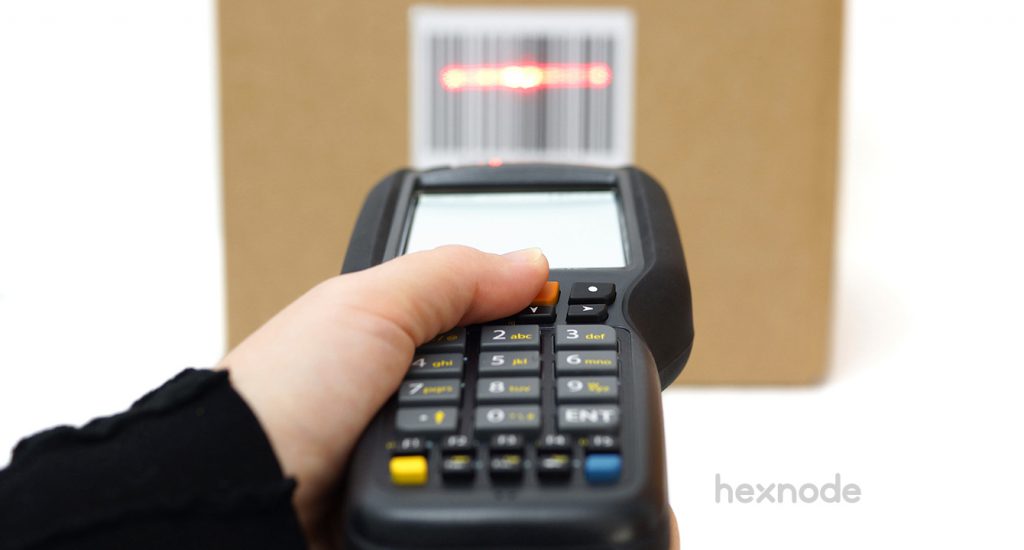
Enhancing Inventory Management in Malaysia with RFID Handheld Readers
In today’s fast‑paced retail, warehousing, and supply‑chain environment, businesses in Malaysia — from e‑commerce warehouses to brick‑and‑mortar retail chains — are increasingly turning to advanced technologies to stay competitive. One such powerful solution is the use of RFID handheld readers, which unlock real‑time visibility, accuracy, and efficiency across inventory management operations. Below, we explore how integrating RFID handheld readers can transform inventory practices and deliver significant value for Malaysian businesses.
What is RFID and Why Handheld Readers Matter
Radio‑Frequency Identification (RFID) is a technology that uses radio waves to automatically identify and track tags attached to items — each tag carries a unique identifier that can be read by a compatible reader. When paired with handheld readers — portable devices operated by staff — RFID becomes a flexible, on‑the‑go solution for scanning inventory throughout warehouses, storerooms, or retail floor spaces.
Unlike traditional barcode scanners that require line‑of‑sight and one‑by‑one scanning, RFID handheld readers can read many tags simultaneously — even when items are sealed, stacked, or placed on high shelves. This capability drastically speeds up stocktaking, audits, and inventory checks.
In the Malaysian context — where many warehouses, distribution centres, or retail outlets handle large volumes of SKUs — this flexibility is especially valuable for ensuring accurate, timely stock data without manual bottlenecks.
Benefits of RFID Handheld Readers for Inventory Management
✅ Real-Time Inventory Visibility
One of the most powerful advantages of RFID systems is the ability to provide real‑time visibility of inventory status. As soon as tagged items are scanned (or pass within range), the system updates stock levels, locations, and movements in the backend database.
For Malaysian businesses — whether a retailer tracking stock across multiple outlets or a central warehouse managing inbound/outbound movement — real‑time data helps ensure visibility, reduce discrepancies, and support faster decision‑making. It also minimises phantom inventory (items listed but not physically present) and prevents stockouts or overstocking.
⚡ Faster Stock Counts and Audits
Manual inventory counting — especially in large warehouses — can take hours or even days. With handheld RFID readers, an entire aisle of inventory can be scanned in minutes, with multiple RFID tags captured simultaneously.
This enables more frequent cycle counts (e.g. weekly, monthly) instead of only annual or semi‑annual audits. The result: fewer surprises at year-end, better stock control, and less disruption to daily operations.
📈 Improved Accuracy and Reduced Human Error
RFID removes much of the manual data entry that leads to mistakes in traditional inventory management. Since tags are automatically read and updated, the risk of miscounts, duplicates, or overlooked items drops significantly.
Higher accuracy translates into better order fulfilment, fewer stock discrepancies, and greater trust in inventory data — essential for retailers, distributors, and manufacturers alike.
💸 Lower Labor Costs and Operational Efficiency
Automating inventory scanning and tracking reduces the need for manual labour during stocktakes, receiving, and dispatch operations. Employees can spend less time counting and scanning, and more time on value‑added tasks such as order processing or customer service.
In the long run, this leads to cost savings, streamlined workflows, and better use of human resources — a compelling proposition for Malaysian SMEs and large enterprises aiming to optimise operations.
🔒 Better Security, Traceability, and Loss Prevention
RFID systems add a layer of traceability to each item. Every movement — from goods receipt, storage, picking, to dispatch — can be logged and monitored.
This makes it easier to detect misplaced or missing stock, identify shrinkage or theft, and maintain audit trails — especially valuable for high‑value goods, perishable items, or regulated products.
Additionally, when integrated with a warehouse management system (WMS) or enterprise resource planning (ERP) solution, RFID enables automated workflows, demand forecasting, and better supply chain planning.
Challenges to Consider — and How They Apply in Malaysia
While the benefits are substantial, there are challenges that Malaysian businesses should consider when adopting RFID handheld systems:
- Initial investment cost: RFID tags, readers, and integration with existing software systems are more expensive upfront than traditional barcode-based systems. For small businesses, this may pose a budget challenge.
- Tagging overhead: Every item (or at least every SKU) must be tagged — which can be labour-intensive when migrating from barcode-based inventory.
- Environmental constraints: RFID effectiveness can be reduced in environments with metal surfaces, liquids, or interference, requiring careful planning of tag types and reader placement. As one warehouse‑manager commentary described: “RFID tags can be finicky, especially in environments with metal or liquids… sometimes the readers just miss certain items, leading to inventory discrepancies.”
- Scale and use case suitability: For small inventories or low‑volume retail, the benefit over barcode scanning might not justify the cost. As one user cautioned: “For a lot of companies … the upfront investment just doesn’t justify the benefits.”
Thus, while RFID handheld systems shine in medium-to-large scale warehouses, retail chains, or logistics operations — especially those handling many SKUs or high-value/perishable items — smaller operations should carefully evaluate ROI before adoption.
Why RFID Handheld Readers Are Particularly Relevant in Malaysia
Malaysia’s retail and warehousing sectors have been growing rapidly, driven by ever‑increasing consumer demand, e‑commerce growth, and regional distribution networks. Inventory complexity, SKU variety, and the need for quick fulfilment and accurate stock control make RFID handheld systems an attractive solution.
Moreover, as supply chains become more integrated — spanning manufacturing hubs, central distribution centres, and retail outlets across Malaysia and Southeast Asia — the ability to track inventory in real time and maintain accurate data becomes a competitive advantage.
RFID also supports compliance and traceability, which is relevant for regulated goods (like pharmaceuticals, food products) — sectors often subject to strict inventory and expiry‑tracking requirements in Malaysia.
Implementing RFID handheld readers can help local businesses scale operations, reduce costs, prevent losses, and improve customer satisfaction — whether for retail, manufacturing, or distribution.
Best Practices for Malaysian Businesses Considering RFID Adoption
- Start with a pilot — tag a subset of high‑value or fast-moving SKUs first, and deploy handheld readers to test efficiency gains.
- Integrate with WMS/ERP — ensure RFID data flows into your existing inventory management software so that stock, orders, and replenishments remain synchronized.
- Train staff — though RFID reduces manual scanning, staff must learn to handle readers correctly and manage exceptions (e.g. unreadable tags, overlapping signals).
- Monitor cost vs benefit — track how much time and labour are saved, reductions in errors or stockouts, and any shrinkage reduction to evaluate ROI.
- Scale gradually — once pilot proves successful, expand tagging and reader deployment plan by plan, rather than all at once.
Conclusion
For Malaysian businesses — from sprawling warehouses to retail chains — the adoption of RFID handheld readers offers a powerful way to elevate inventory management. By delivering real‑time stock visibility, faster audits, improved accuracy, labour savings, and better traceability, RFID transforms inventory management from a periodic chore into a continuous, reliable, data‑driven process.
While the upfront investment and setup may be significant, the long-term operational benefits — especially in high-volume, multi‑SKU, or high-value environments — often justify the transition. For companies serious about optimizing their supply chain, fulfilling orders accurately, and minimizing shrinkage or stockouts, RFID handheld readers could be the game‑changer they need.
As the Malaysian retail and logistics landscape continues to evolve and grow, incorporating RFID-based inventory management may no longer be a luxury — but a competitive necessity.